Key Takeaways:
- Patina over polish: letting materials age adds soul fast luxury brands can’t match.
- Less but deeper: curated pieces and empty space forge rooms that breathe.
- Local climate advantage: KL’s humidity speeds texture, giving homeowners instant character.
Picture a Bangsar sunrise filtering through linen curtains, highlighting the gentle patina on an old timber bench. That subtle moment captures the spirit of wabi sabi, creating a sense of warmth and tranquility that invites a deeper emotional connection to the environment.
Introduction to Wabi Sabi Philosophy
Wabi sabi philosophy is a Japanese concept that emphasizes the acceptance and appreciation of natural imperfections and impermanence. At its core, wabi sabi is about finding beauty in the imperfect and impermanent, and embracing the natural cycle of life. This philosophy is deeply rooted in Japanese culture and is often associated with the concept of “mono no aware,” which refers to the sadness or melancholy of things passing away. Wabi sabi reminds us to slow down and appreciate the simple things in life, and to find beauty in the natural world.
Why Wabi and Sabi Speak to Mont Kiara, Bangsar, and Damansara
Mont Kiara’s sleek condominiums, Bangsar’s heritage terraces, and Damansara’s leafy bungalows all wrestle with the same question: How do we make modern spaces feel human? The answer often lies in wabi (humble simplicity) and sabi (the grace of things that naturally age). This wabi sabi style grounds city living in calm authenticity.
The Roots: From Tea Ceremony to Contemporary Condos
Centuries ago, tea-master Sen no Rikyu refined tea ceremonies, choosing rustic bowls over porcelain perfection. His lesson still guides today’s wabi sabi interiors—quiet texture, organic materials, and room for emptiness invite reflection in even the most compact condo.
Core Principles of Wabi Sabi Interior Design
- Natural materials—think raw timber, linen, rattan.
- Patina that tells a story; let brass fittings naturally age.
- A restrained color palette of neutral colors and earthy tones, capturing the essence of Wabi Sabi by embracing the beauty in imperfection and the transient nature of life.
Natural Materials That Age Gracefully
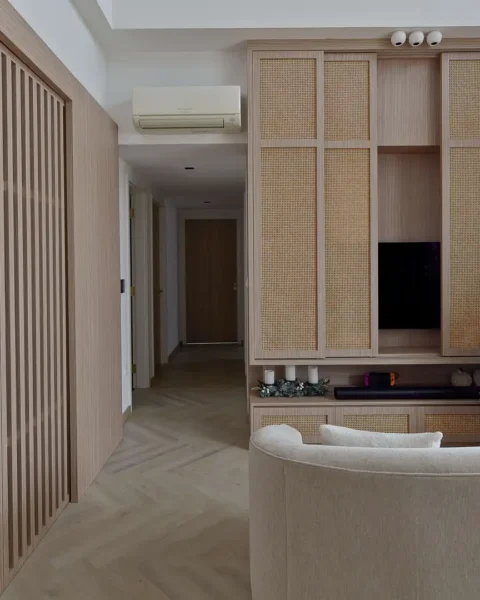
Polished surfaces have their place, yet untreated oak, clay render, ramie, and polished brass add depth while honoring the natural cycle. Kuala Lumpur’s humidity speeds the mellowing of wood, turning every year into visible history.

Japandi Style Inspiration
Japandi style is a fusion of Japanese and Scandinavian design, and is often inspired by wabi sabi philosophy. Japandi style emphasizes simplicity, minimalism, and natural materials, and is characterized by a neutral color palette and an emphasis on texture and natural imperfections. While Japandi style is distinct from wabi sabi, it shares many of the same principles and ideals, including an appreciation for natural beauty and a rejection of perfection. Design lovers who are drawn to Japandi style often appreciate the simplicity and elegance of this design aesthetic, and enjoy incorporating natural elements and vintage items into their decor.
Applying Wabi Sabi Style in Compact Condo Bedrooms
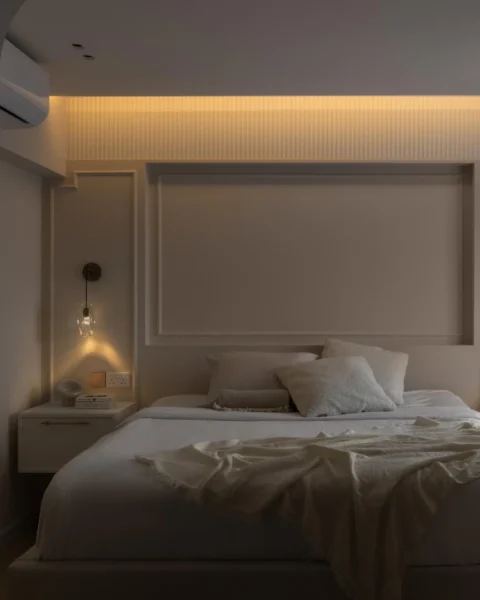
Condo owners in Mont Kiara often trade floor area for skyline views. Embrace imperfection with minimalist built-ins, low timber platforms, and uneven hand-plastered walls to create intimacy. Curious how that merges with Scandinavian restraint? Our take on Japandi interiors shows the intersection clearly.

Furniture Choices: Authentic, Purposeful, Lasting
Select furniture that wears in, not out, appreciating each object for its natural, imperfect beauty. A reclaimed teak sideboard with visible nail holes beats veneer any day. Remember: a single vintage item often carries more meaning than ten shiny objects.

Bringing Wabi Sabi Home to Landed Properties
Landed houses in Damansara enjoy garden vistas. Broken pottery, often repaired using the kintsugi method, exemplifies the wabi-sabi philosophy by celebrating the beauty found in flawed objects. Frame that view with sliding timber screens; blur the line between interior and nature. Place a stone water basin outside the dining room—its slow weathering marks time more poetically than any clock.
Outdoor–Indoor Flow: Life, Impermanence, Serenity
Folding glass doors invite evening rain aromas indoors, creating an atmosphere of tranquility. Such moments remind us that impermanence is not loss; it is life. Wabi sabi philosophy teaches acceptance of weather-worn decking and sun-bleached clay tiles.
Wabi Sabi and Japanese Culture
Wabi sabi is deeply rooted in Japanese culture, and is often associated with the traditional Japanese tea ceremony. The tea ceremony, which was popularized by Sen no Rikyu, is a ritual in which participants come together to appreciate the beauty of nature and the simplicity of life. Wabi sabi is also closely tied to Zen Buddhism, which emphasizes the importance of living in the present moment and appreciating the beauty of impermanence. In Japan, wabi sabi is not just a design aesthetic, but a way of life, and is often reflected in the country’s art, literature, and architecture.
Designing with Intention
Designing with intention is a key principle of wabi sabi interior design. This means carefully selecting each element of a room, from the furniture to the decor, and considering how it will contribute to the overall aesthetic and feel of the space. Wabi sabi design emphasizes the importance of natural materials, such as wood and stone, and encourages designers to incorporate organic elements and natural imperfections into their designs. By designing with intention, designers can create spaces that are not only beautiful, but also meaningful and authentic.
Frequently Asked Questions on Wabi Sabi Design
Does wabi sabi mean giving up luxury? No. Luxury here is space to breathe, artisan craft, and stories etched into material. Wabi sabi is more about a way of thinking that embraces imperfection and transience, encouraging appreciation of the beauty in flaws within both living spaces and broader aspects of life.
Can wabi sabi work with bright art pieces? Yes—let one bold canvas anchor a room; keep the rest muted so the artwork sings.
Case Study: A Damansara Home That Finds Beauty in Patina
One family kept the old merbau floorboards during renovation. Light sanding revealed tiger-stripe grain while retaining scratches from children’s toy cars—proof of lived life. The result? A wabi sabi home where every mark is memory, embraced by the family as a testament to simplicity and imperfection.
Links to Scandinavian Synergy
Those who enjoy design lovers’ favorites—Scandinavian interior design principles, Scandinavian living room layouts, clean-lined Nordic design tips, or pared-back Scandinavian kitchens—will find familiar calm in wabi sabi interiors. Both styles value simplicity, honest objects, and tactile natural elements. For practical ideas on incorporating wabi sabi aesthetics, consider focusing on simplicity, natural materials, and embracing imperfection.
Design Lovers and Wabi Sabi
Design lovers who are drawn to wabi sabi often appreciate the simplicity and elegance of this design aesthetic. Wabi sabi encourages designers to think differently about beauty and imperfection, and to find beauty in the imperfect and impermanent. By embracing wabi sabi, designers can create spaces that are unique, authentic, and deeply personal. Wabi sabi also encourages designers to consider the natural cycle of life, and to design spaces that are sustainable and environmentally friendly. Whether you’re a designer or simply someone who appreciates beautiful spaces, wabi sabi is a philosophy that can inspire and enrich your life.
Ready to Accept Imperfection?
If Kuala Lumpur’s bustle has you craving stillness, let wabi sabi design, meant to express the acceptance of imperfections and transience in nature and art, guide your next renovation. Visit our contact page to begin a conversation—your home’s quiet story is waiting to be told.