Key Takeaways:
- Less really is more for your wellbeing
A minimalist interior design approach—decluttering, simplifying walls, and editing out visual clutter—has been linked with lower stress and better focus in recent research, which shows that orderly spaces support emotional balance and clarity. - Materials and light shape how your home feels
Smart use of natural light, natural materials like wood and stone, and airy open floor plan ideas (with good zoning) can create a calmer sense of space, especially in compact KL condos. Studies on daylight and interiors consistently show improvements in mood, sleep, and productivity. - Minimalism is personal, not generic
From a minimalist bedroom in a Mont Kiara condo to a curated dining room in a Damansara bungalow, true minimalism is about editing down to the bare essentials that support your lifestyle, not copying a showroom look. Every form, finish, and piece of furniture should earn its place.
Kuala Lumpur moves fast. Your home shouldn’t. Since 2016, Lemonfridge Studio—has been quietly shaping interiors that feel like a deep breath: minimalist, calm, and unmistakably you. Rooted in architecture, craftsmanship, and a love of natural materials, our interior design philosophy is simple: your interiors should be a reflection of who you are.
What Minimalism Really Means for Your Lifestyle
Minimalism isn’t a trend borrowed from New York lofts or a minimal design interior from a magazine; it’s a design concept that fits how you live, entertain, and unwind in Malaysia’s tropical climate. At its heart, minimalist design is about simplicity, functionality, and intention—removing what you don’t need so what matters can shine. ResearchGate
In practice, that means interiors stripped back to essential elements: clean walls, streamlined storage, and carefully chosen materials. A monochromatic colour palette of whites, beiges, and greys keeps the palette calm, while different shades and textures add depth so your minimalist space never feels empty.
For Lemonfridge, the goal is never a cold gallery. We design each space—from high-rise condo to landed bungalow design—to create a lived-in, welcoming feel, where your books, art, and family pieces are framed, not drowned, by the design.
Why Minimalist Interiors Feel So Calm (The Science)
Recent studies on minimalist living and decluttering link reduced visual noise to lower anxiety and improved mental clarity; when you strip away excess knick knacks and unnecessary decoration, your mind has fewer distractions competing for attention. IJRPR+1
Similarly, reviews on natural light in interior architecture show that well-planned daylight—through large windows, sheer blinds, and reflective surfaces—helps regulate circadian rhythms, improving mood and cognitive performance. msesj.com+1 In a KL condo or minimalist building, maximizing daylight is a core part of our minimalist architecture approach.
Combine this with biophilic touches—greenery, views, and natural materials—and you get interiors that echo findings from Malaysian studies on biophilic design: homes that reconnect you with nature support mental health, especially in dense urban settings like Kuala Lumpur and New York City alike. Malaysia Architectural Journal.
Core Principles We Use at Lemonfridge Studio
Our work “redefines the art of living” by translating the core principles of minimalist interior design into the Malaysian context—balancing aesthetics, regulations, and everyday routines.
Simplicity, Negative Space, and Clean Lines
The motto of minimalism is “less is more.” That shows up in simple forms, straight lines, and intentional negative space. We favour clean lines in joinery, slim skirtings, unobtrusive doors, and furnitures so the architecture feels quiet and the room feels visually calm and ordered. Minimalist architecture here is about doing just enough—no more.
In a minimalist designed space, we avoid heavy cornices and busy wall panels, opting instead for softly rounded edges or vertical grooves to create rhythm. By keeping surfaces calm, your eyes rest, a single focal point stands out more clearly, and your favourite pieces of art or sculptural chairs reduce visual chaos rather than add to it.
Functionality, Storage, and the Bare Essentials
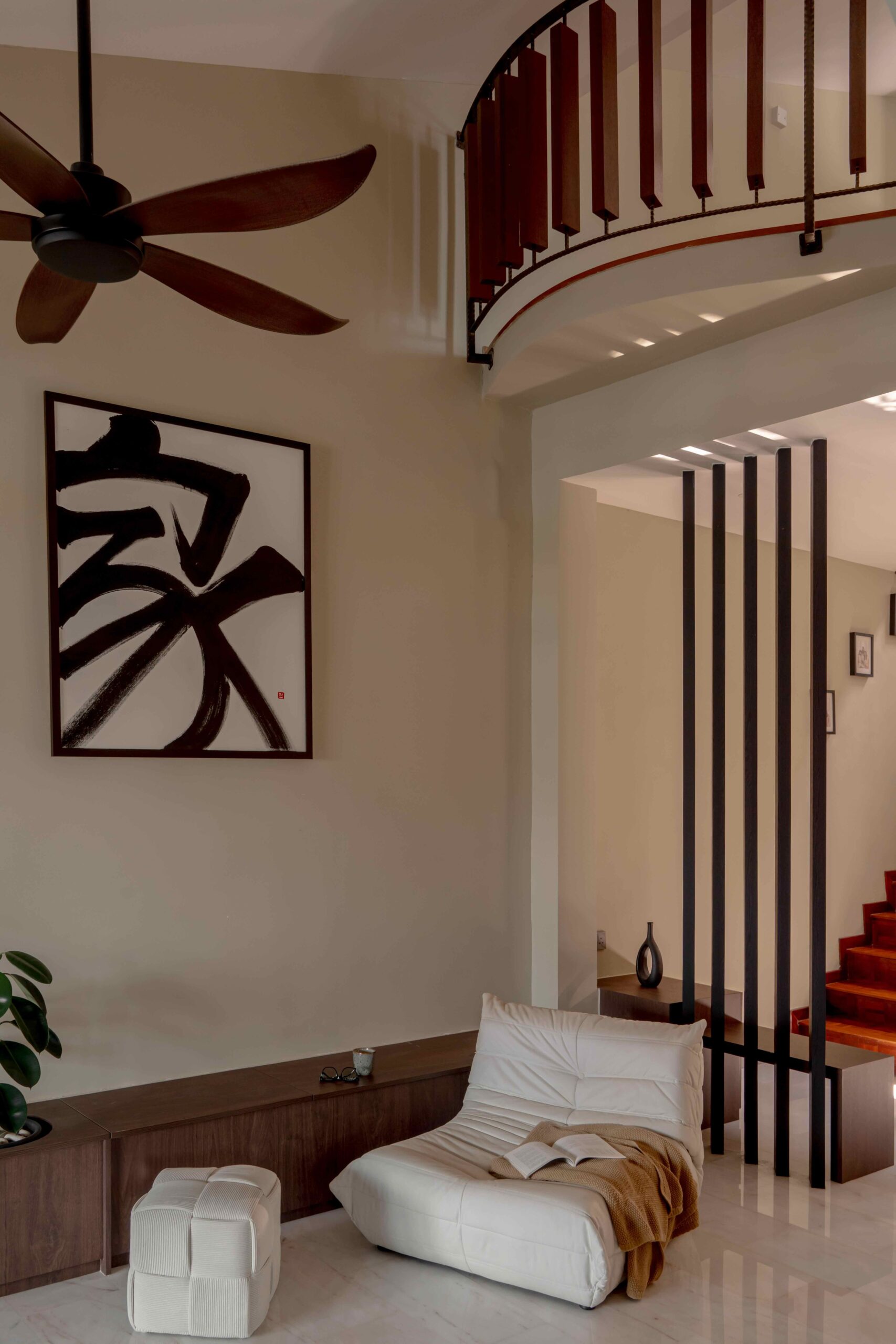
Every item in a minimalist home must be essential—either deeply useful or genuinely loved. That means custom storage that hides appliances, toys, and seasonal items, helping you maintain an uncluttered space long after the photoshoot. Hidden drawers in platforms, tall cabinets reaching the ceiling, and integrated benches help create order without extra bulk.
We design furniture with functionality in mind: slim-profile sofas, nesting tables, and multi-purpose islands. This reflects global architects and interior designers who treat form and function as inseparable, and mirrors the way fast company often profiles thoughtful product and fashion designers—quietly solving problems rather than shouting for attention.
Natural Light, Natural Materials, and Biophilic Calm
A true minimalist interior celebrates natural light. We plan open floor plan ideas with careful zoning, keeping windows clear of tall wardrobes and using sheer drapery instead of heavy curtains. Layered lighting keeps the space warm at night—cove lights, slim pendants, and discreet downlights rather than harsh glare.
Alongside light, natural materials—solid wood, stone, bamboo, rattan—are essential. They soften hard floor surfaces and minimise the echo you sometimes hear in very stripped-back interiors. Large porcelain tiles, especially in 600×1200 or 800×800 formats, are ideal for minimalist design: they’re durable, easy to maintain, and their grout lines almost disappear, so the floor feels expansive. Many can even mimic beautiful materials like marble or limestone, emphasizing materiality without the same upkeep.
Adapting Minimalism to Malaysian Homes and Floor Plans
KL homes come in many shapes: compact studio condos, double-storey terraces, semi-Ds, and sprawling bungalows in gated communities. Our job is to translate minimalist style to each architecture type, coordinating with consultants, authorities, and construction teams.
Condos, Open Floor Plans, and Compact Layouts
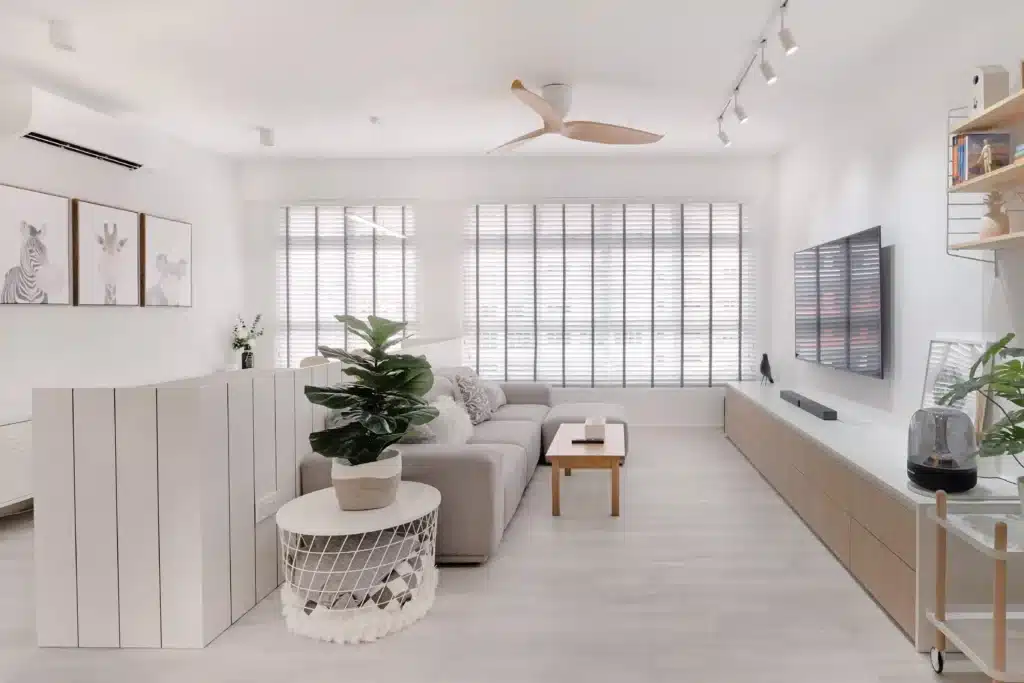
In urban condos, an open floor plan between living, dining room, and kitchen can create a minimalist feeling of airiness—especially when we run the same monochromatic palette across the whole space. But open layouts only work when they’re zoned: rugs, soffits, and lighting help define areas without adding walls. PA | Architecture and Technology+1
For clients curious about how this looks in real homes, you can see how we personalize each project in our KL living room case study and our guide to small sitting room design tips, where every square foot of space works hard.
Landed Homes, Bungalows, and Multi-Generational Living
For landed property—terrace, link, superlink, semi-D, and bungalow design—minimalist interiors have to support bigger families and multi-generational living. That means wider circulation, durable materials, and kid-friendly furniture that still keeps a minimalist look.
Explore how we handle larger footprints and outdoor connections in our bungalow transformation stories, where architecture, landscaping, and interior design come together as one. Here, minimalist architecture isn’t about empty rooms; it’s about framing views, creating cross-ventilation, and ensuring every floor level feels coherent.
Designing Everyday Rooms with Purpose
We don’t believe in “copy-and-paste” interiors. Each minimalist designed space is grounded in how you actually live—from balik kampung weekends to work-from-home routines.
Living Rooms and Small Sitting Areas
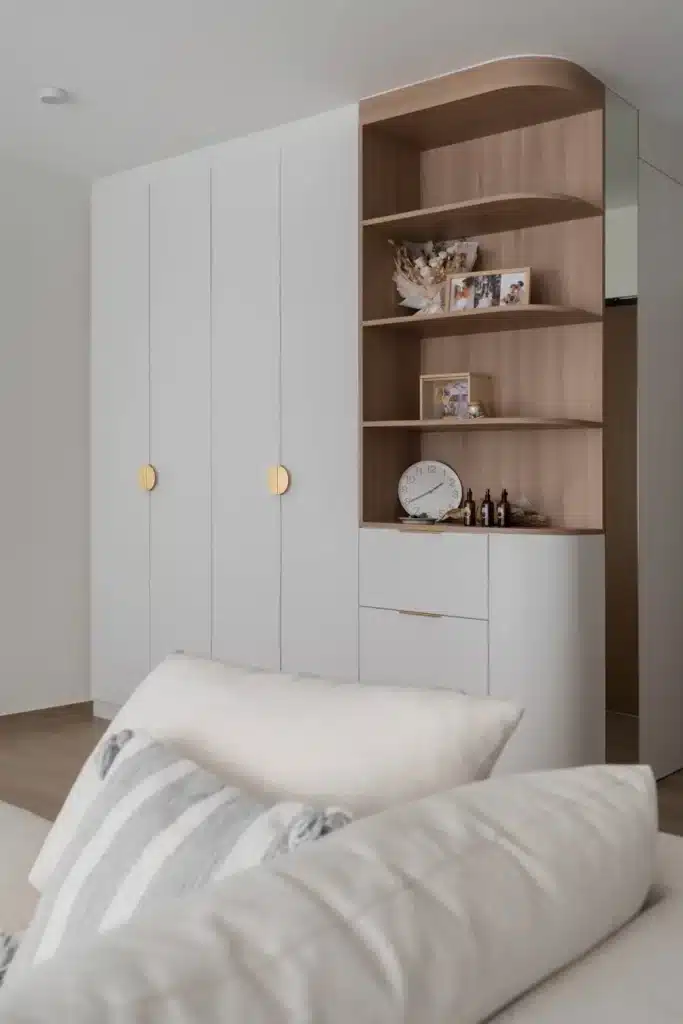
The living area is often where guests first feel your style. In our minimalist living projects, we favour low, modular sofas, slim consoles, and one strong piece of art rather than a wall of photos. If you’d like more ideas, have a look at our minimalist room inspiration for KL homes.
For more compact layouts, we treat the “TV room” more like a small sitting room design—as you’ll see in the article linked earlier—using soft partitions or storage-backed sofas to create intimacy without closing off the space. Here, a neutral colour palette and careful lighting keep things calm, even with kids’ toys tucked neatly away.
Kitchens and Dining Rooms with a Welcoming Feel
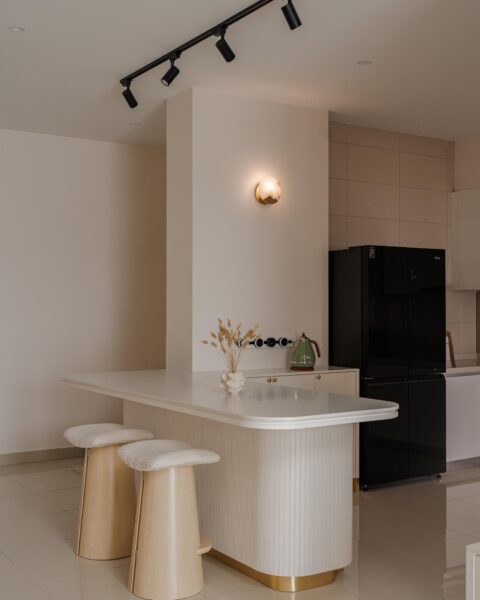
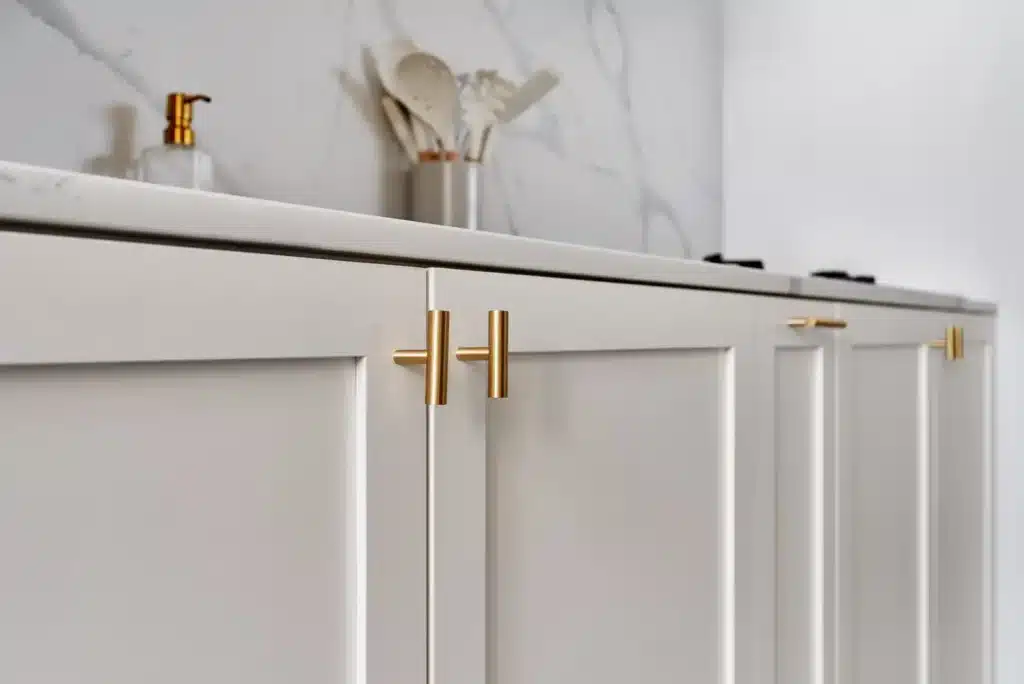
In the kitchen, minimalist interior thinking emphasises streamlined cabinetry and hardworking materials. Large-format porcelain tiles on the floor and backsplash keep cleaning simple, while handleless doors or slim pulls keep clean lines. We dive deeper into this in our guide to a streamlined kitchen for Malaysian cooking.
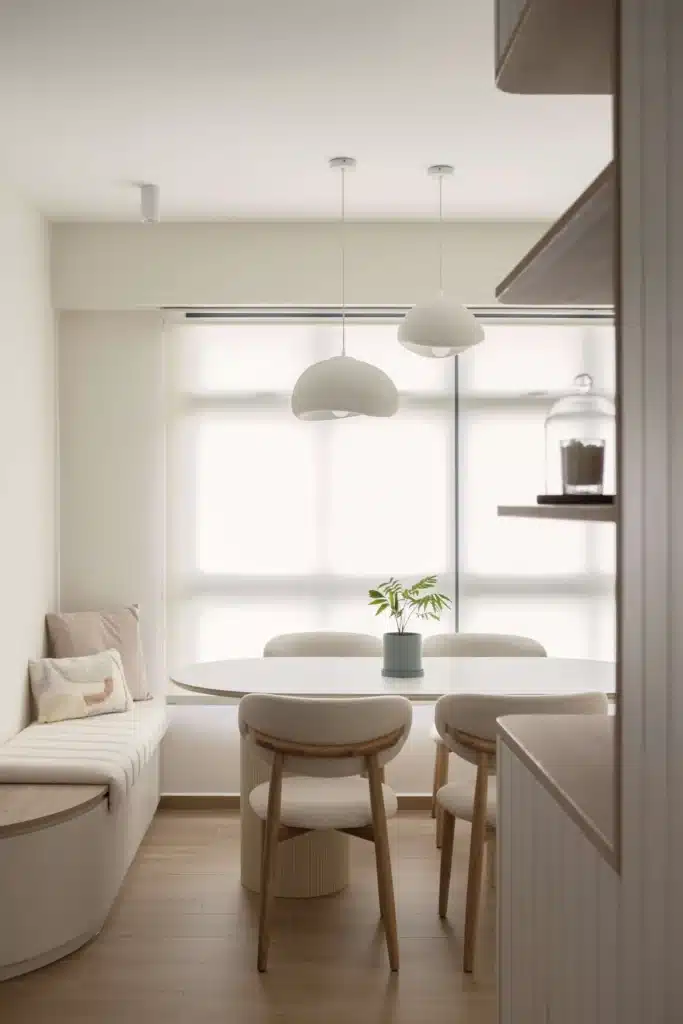
The dining room is where we often introduce softer curves and different textures—upholstered chairs, fluted table bases, maybe even linen wallpaper on a feature wall for gentle contrast. Want to see how this all comes together? Our article on Japandi-style projects shows how warm timber, neutral colors, and sculptural lighting create a relaxed yet refined dining experience.
Minimalist Bedrooms and Spa-Like Bathrooms
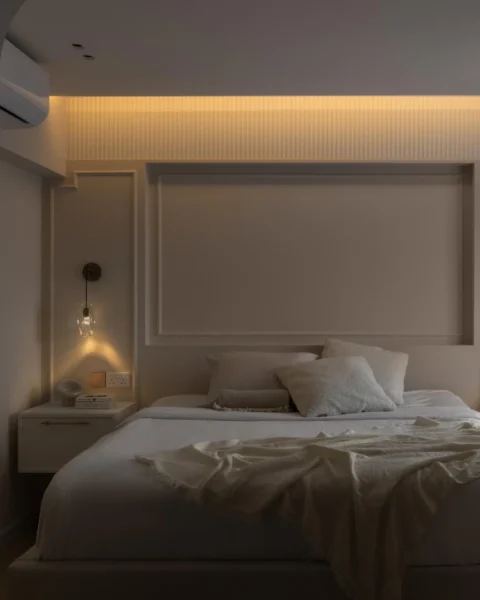
A minimalist bedroom is one of the most powerful places to simplify: we prioritise soothing palette choices, integrated headboard storage, and blackout plus sheer layers for light control. Explore more restful ideas in our minimalist house project overview, where bedside furniture and wardrobes recede into the walls.
In the bathroom, large porcelain tiles again help minimise grout, while natural materials like stone basins or timber-veneer vanities soften the feel. We aim for spa calm, not hotel sterility—layered textures, hidden niches for toiletries, and just enough decoration to feel personal.
Materials, Textures, and Colour Palettes that Feel Warm
Minimalism doesn’t have to be stark. We often work with a monochromatic color palette of warm whites, gentle greys, and oatmeal beiges—a quiet backdrop that lets different shades of timber, stone, and textiles sing. This kind of monochromatic colour palette is typical of minimalist interiors, and it keeps renovation decisions easier for busy clients.
We then build in textures: boucle cushions, tactile rugs, fluted panels, microcement, and softly grained wood. These different textures and beautiful materials ensure the aesthetic feels rich rather than empty, echoing international studios like SenHoma (Mary Senft’s firm, known for organic materials), Monica Fried Design’s blend of vintage and modern pieces, and the soulful yet contemporary work of SLIC Design, Studio Keiko, Studio Collins Weir, Sergio Mercado Design, Chango & Co., Weatherleigh Interiors, Rushda Hakim Design, Justin Charette Design, Magdalena Keck, and Light on White Design Studio.
Just as Elle Decor, the New York Times, and Fast Company often highlight, the strongest minimalist projects worldwide share a few things: a restrained colour palette, careful zoning, and a deep respect for materials—what architects call emphasizing materiality. For clients drawn to Japanese calm or Muji-inspired order, our Muji-influenced interiors and wabi-sabi projects are a good place to start.
We also weave in 2025 priorities: sustainable choices like reclaimed wood, bamboo, low-VOC finishes, and smart-home planning that keeps devices invisible. These elements sit comfortably alongside Scandinavian-inspired homes in Malaysia and our modern contemporary interiors in KL, creating a timeless yet future-ready style. For those who love a touch of classic charm, our work with soft English-influenced detailing shows that minimalist and traditional can happily coexist.
Start Your Minimalist Journey with Lemonfridge Studio
Whether you’re renovating a city condo or planning a new minimalist building on a hillside site, our designers and collaborating architects help create functional, serene interiors tailored to your lifestyle. We strip things down to the bare essentials, play with form and light, and layer in just enough decoration so your home feels curated—not curated-for-Instagram. For a deeper dive into our thinking, you can also read our essay on minimalist design philosophy.
If you’re ready for a home that feels like it truly belongs to you—and not to a showroom or a New York apartment spread—reach out to Lemonfridge Studio. Together, we’ll create a calm, modern, and deeply personal minimalist interior that makes everyday life feel lighter.
FAQ
What is minimalist interior design?
Minimalist interior design is a style that strips a room back to its essentials: clean lines, simple forms, a limited colour palette, and functional furniture in an uncluttered space. It relies on natural light, good proportions, and quality materials—rather than lots of decoration—to make a home feel calm and spacious.
What is modern minimalist interior design?
Modern minimalist interior design keeps the core “less is more” idea but softens it with warmer colours, curved forms and more personal pieces. It’s the 2026 “warm minimalism” direction: simple, clutter-free rooms layered with cosy textiles, natural wood and subtle colour instead of stark white everything.
Do Gen Z like minimalism?
Overall, Gen Z leans more towards expressive, maximalist interiors—trends like “cluttercore” and colourful, nostalgic rooms are especially popular as a reaction against millennial minimalism.
That said, many still favour minimalist principles for digital life, sustainability and small urban apartments, often blending clean lines with bold art and collections.